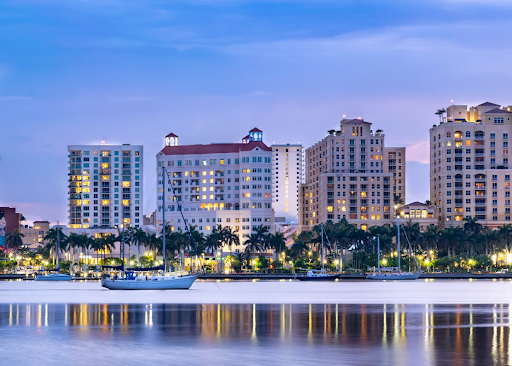
When it comes to resort interiors, it seems that “biophilic design” is one of the most trending buzzwords in 2025.
Step into your condo, squint at the sunshine streaming in, inhale deeply, and suddenly the city outside fades a little. That’s the subtle superpower of biophilic design. Somewhere between a plant rustling, wood grain underfoot, and a soft water-feature hum, your space stops being just “a place to live.” It becomes a mini retreat.
At The Berkeley Palm Beach, embracing this nature-meets-luxury vibe isn’t a trend. It’s part of what being home feels like. Many of these principles are already reflected across their modern Luxury Condos and Residences, where natural textures and soft transitions define the everyday living experience.
Principles of Biophilic Design
Biophilic design is basically about tricking your brain into thinking you’re outdoors, but with all the indoor comforts. It deploys a few clever moves that, when stacked together, make a space breathe with you.
- Light & Views First — Big windows, sliding glass doors, skylights, generous balconies. These maximize daylight and let the outside in. According to experts, large windows and open-air orientations are among the most effective ways to boost mood and reduce stress. Architectural features like these are often highlighted in outlets such as Dezeen, which frequently showcase how light transforms interior well-being.
- Real Materials, Real Feel — Wood grain, natural stone, soft textiles, water, plants: surfaces and textures that you can touch and actually enjoy. When materials “age gracefully” — like wood weathering or stone developing patina — spaces feel timeless rather than trendy.
- Greenery & Living Nature — Plants, green walls, indoor gardens, even water features like fountains or reflecting pools. These aren’t just decorations; they engage the senses: smell, sight, even sound. Humans are wired to respond to nature positively.
- Soft, Organic Shapes & Layouts — Avoid sharp edges everywhere. Use curved furniture, fluid layouts, and organic geometry. This echoes nature’s fractal patterns, helps interiors feel more “alive” and less rigid.
- Blend of Indoor–Outdoor Flow — Think terraces that feel like rooms, sliding doors that dissolve the wall between inside and outside, natural airflow, cross-ventilation. This blurs the boundaries of home vs. nature.
Interior Applications
Alright — enough theory. Here’s how biophilic design really shows up in a luxury condo day after day:
- Green corridors & living walls — Imagine walking through the lobby or hallway and passing by walls of living greenery. It’s not only beautiful, it quietly cleans the air, adds a sense of calm, and signals that this building “cares.” In urban settings, that contrast to concrete and glass hits differently.
- Plant pockets everywhere — Small potted plants on a console, herbs on the kitchen sill, succulents by the window. Tiny green details give life to corners that otherwise feel “empty.” You’d be surprised how often you subconsciously smile seeing a leaf unravel after a long day.
- Water touches — but subtly — Reflective bowls, indoor fountains, small water features that don’t try to be loud or showy. The soft trickle masks ambient noise, gives space for quiet reflection, and introduces a gentle sensory rhythm.
- Natural finishes and textures at eye level — Raw wood, unpolished stone, linen upholstery, tactile rugs. Spaces that don’t shout “modern minimalism,” but whisper “welcome home.” Because when furniture has texture, and surfaces feel like skin under your fingertips, that’s where luxury feels lived-in, not museum-like.
- Lighting that shifts with the day — Big windows by day. Soft ambient or warm-toned artificial lights in the evening. Maybe a skylight that catches moonlight. This not only feels cozy, but it also tracks with our circadian rhythm, supporting mood, rest, and even energy levels.
One little plus: I read a quote in a design article: “People don’t remember the chandelier, they remember the light it casts as they sip their wine.” Biophilic design isn’t about the flashy object; it’s about the vibe it creates.
Benefits for Residents
So here’s where the rubber meets the living-room rug. What do you get from all this? A better everyday life.
- Stress reduction & mental calm — Exposure to natural elements (plants, light, water, natural materials) is scientifically shown to reduce stress and improve well-being. When your home is a small escape, not just four walls, you recharge faster.
- Improved air & natural rhythms — Plants help with air quality and humidity; sunlight and natural ventilation help regulate mood and sleep. Living here feels more “aligned” with your biology — and, weirdly enough, that matters.
- Versatile spaces for body and mind — Whether you want quiet reading nooks, yoga corners, indoor–outdoor flow for brunches, or peaceful spaces to just be — biophilic condos adapt. They’re not rigid. You shape them to your rhythm.
- Subtle prestige & long-term value — Biophilic design has become a recognized standard for upscale homes, not because of trend, but because it delivers tangible benefits — mood, comfort, wellness. Buyers often see properties with built-in biophilic features as smarter investments.
- Aesthetic that ages well — While flashy décor dates fast, natural materials age gently. Wood becomes richer, stone more lived-in; greenery evolves with the seasons. That “well-lived luxury” vibe often resonates more than trend-driven interiors.
And bonus: in cities flooded with glass and concrete, coming home to real wood, soft light, greenery, it feels like stepping off a treadmill and onto a path shaded by oak trees. Simple moments feel better.
Case Studies
People building or living in biophilic luxury residences globally are making bold and beautiful statements. A few design studios have taken this concept to an art form by fusing aesthetic, comfort, and nature:
- In one project, architects replaced straight lines with fluid, organic forms — curved walls, natural stone surfaces, flora integrated into terraces — creating homes that “breathe” with nature rather than just sit next to it.
- In another, a high-rise converted a drab hallway into a green corridor with living plant walls, natural light, and water features — transforming a transitional space into a calming prelude to homecoming. This kind of design trick turns mundane into mindful.
- For wellness-focused buyers, residences now go beyond visual luxury: integrated water features, ventilation designed to mimic gentle breezes, easy indoor–outdoor connectivity — almost like living in a private resort.
These are more than marketing gimmicks. They reflect what many consider the new standard of luxury: living that respects body, mind, and environment.
Why Biophilic Design Is the Future (and a Smart Choice)
Here’s the deal. In 2025, luxury isn’t about marble showers or gold fixtures. It’s about how you live. Biophilic design taps into what people actually want now: calm, purpose, connection, comfort, and sustainability.
- Developers are seeing demand rise for homes that feel good to live in, not just look good. People want emotional comfort, not just bragging rights.
- Buyers increasingly value wellness, sustainability, and long-term livability over flashy “extras.” A home that breathes with you ages gracefully and adapts to lifestyle changes.
- As urban life becomes faster and more stressful, biophilic homes offer a refuge, a daily reset button. Daylight, greenery, calm spaces: the kind of design that doesn’t age with trend cycles, but stays relevant.
At The Berkeley Palm Beach, this isn’t a checkbox. It’s a philosophy. One that says: luxury isn’t loud, it’s lived. It’s the soft rustle of leaves, the weight of a wooden table under your fingers, the calm after dusk when your condo feels like a quiet hideaway.
So next time you step in, glance around, you might not see the design. But you’ll feel it. And that’s the best kind of luxury.